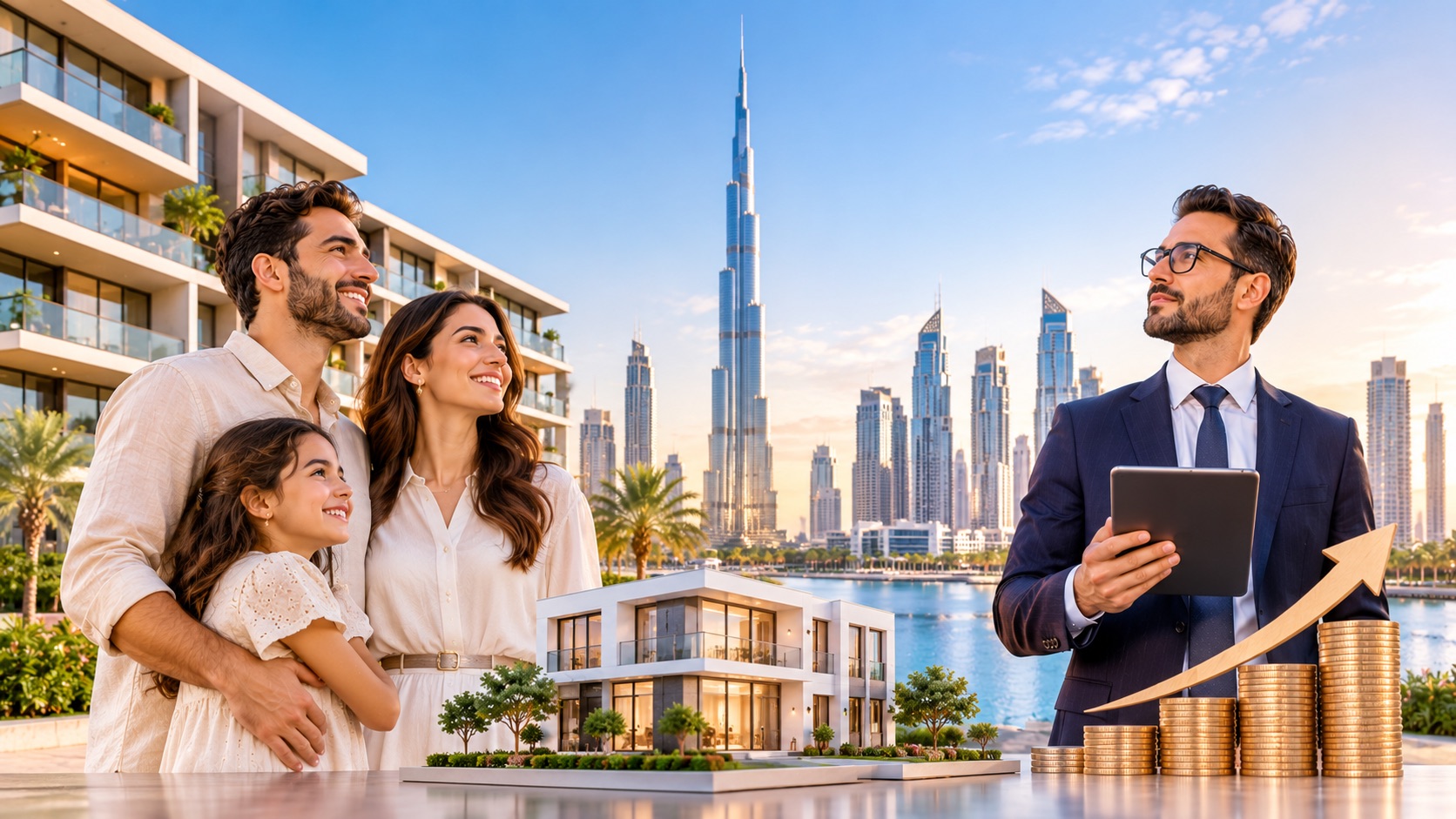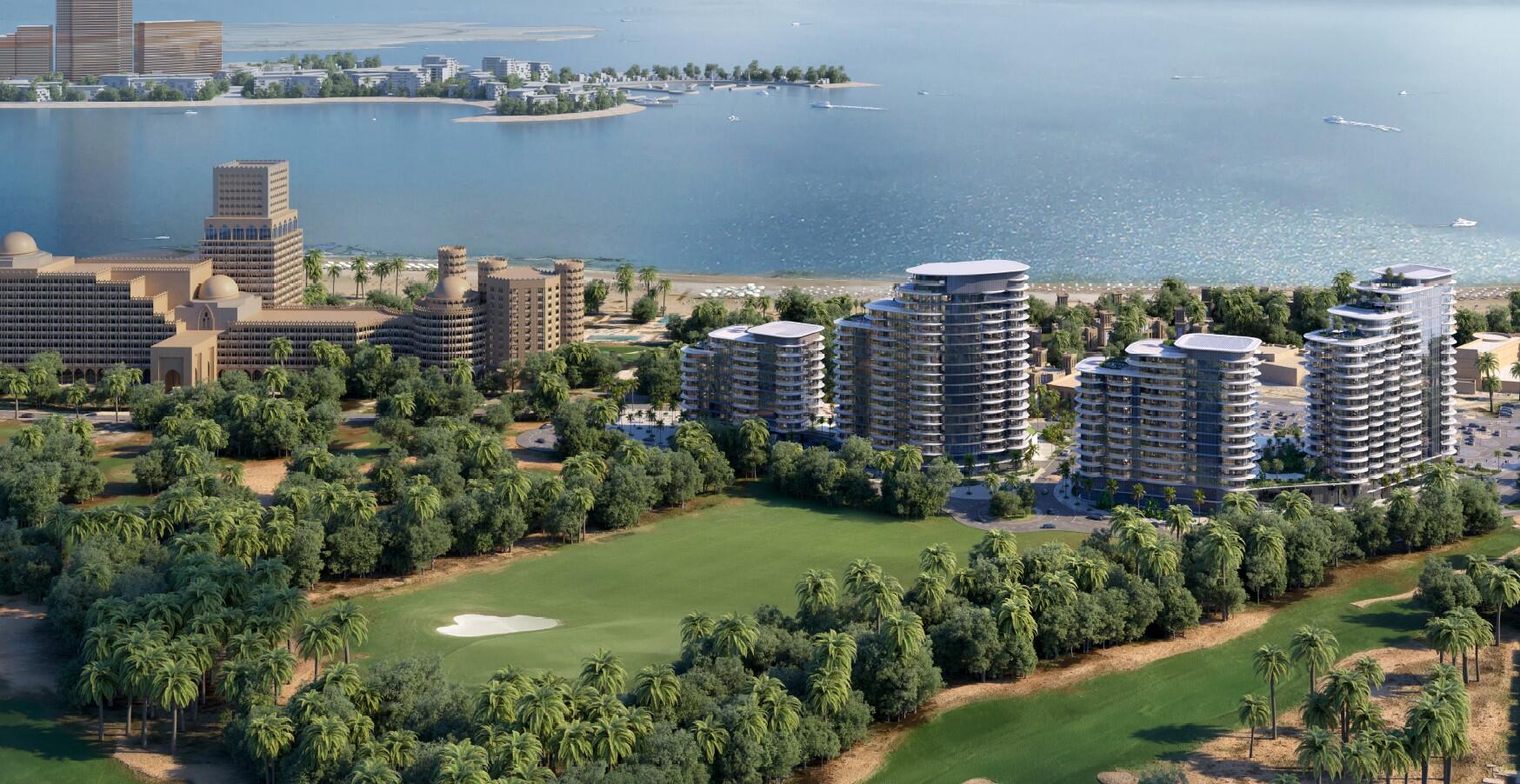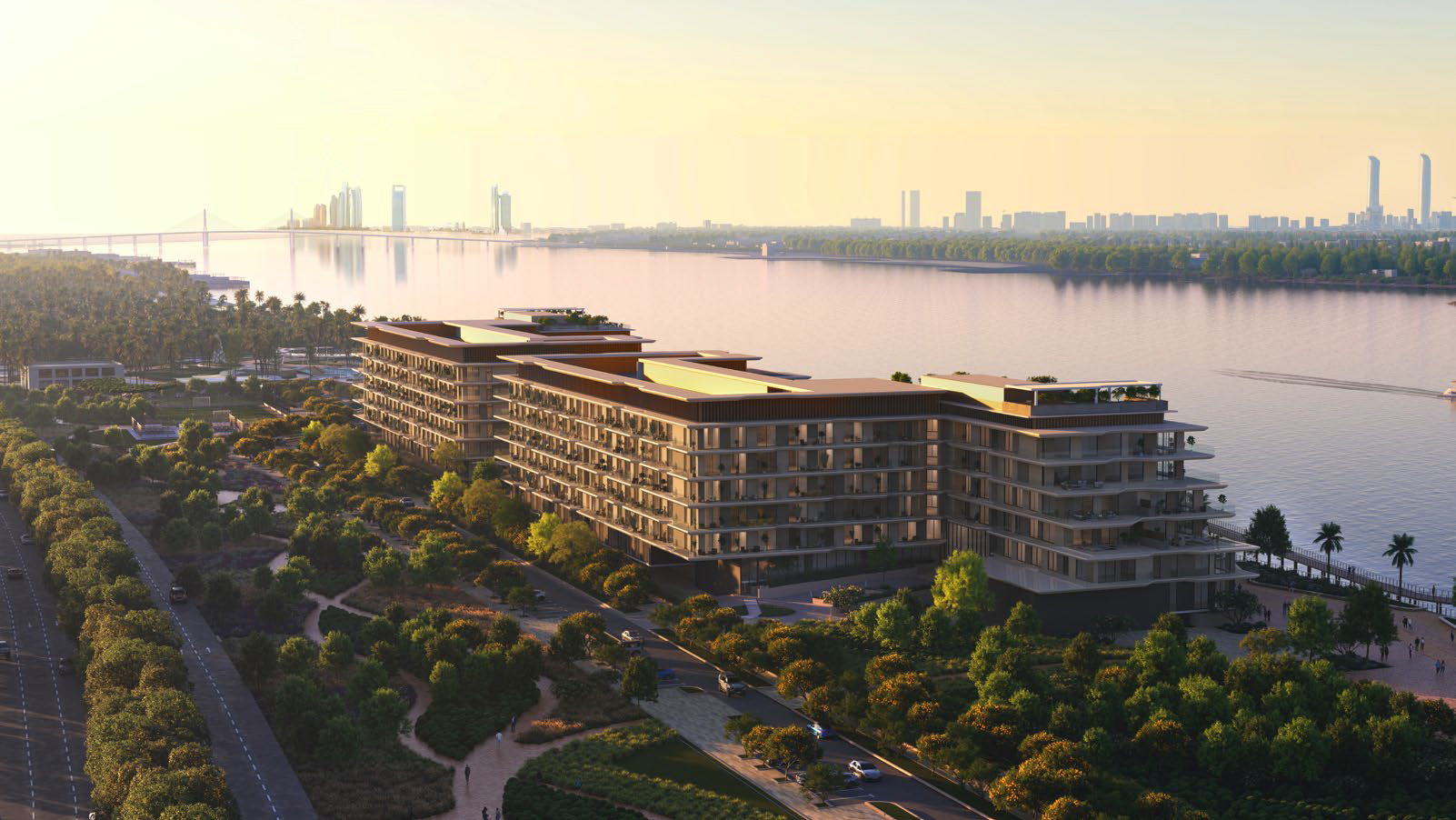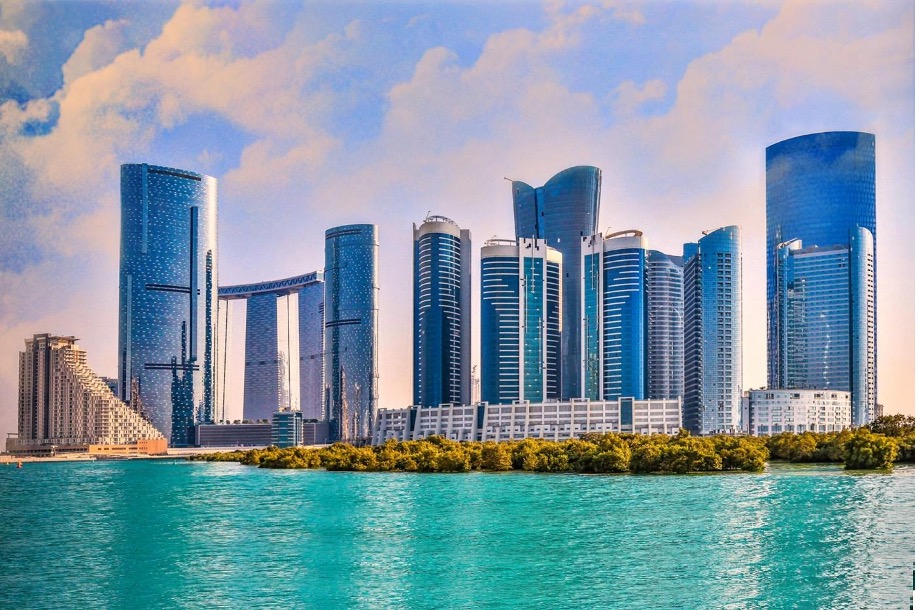

The UAE's growing tourism sector is creating opportunities for the real estate market. From Dubai's international visitor attractions to Abu Dhabi's cultural destinations and waterfront communities, tourism supports demand for accommodation and can influence property investment decisions.
In 2025, the UAE welcomed approximately 32.34 million hotel guests, while Dubai recorded 19.59 million international overnight visitors. For investors, these figures highlight the importance of understanding how tourism connects with rental demand, property prices, and long-term investment potential.
However, tourism growth alone does not guarantee higher property values or rental returns. Location, purchase price, operating costs, and competing supply remain important.
UAE Tourism Trends and the 2026 Property Market
Dubai Tourism and Property Investment
Dubai's beaches, shopping destinations, entertainment attractions, and international events continue to attract visitors. This supports demand for hotels, holiday homes, and serviced apartments in suitable locations.
Investors should compare expected rental income with purchase prices, management fees, service charges, and seasonal occupancy. High visitor numbers do not automatically translate into strong returns for every property.
Abu Dhabi Tourism and Real Estate Growth
Abu Dhabi welcomed 5.9 million hotel guests in 2025, with hotel occupancy reaching 81%, according to the Department of Culture and Tourism. Its cultural attractions, leisure destinations, and waterfront developments continue to support the emirate's tourism strategy.
The Abu Dhabi Tourism Strategy 2030 targets 39.3 million annual visitors. For property investors, this creates a reason to monitor areas benefiting from tourism infrastructure, while also considering residential demand and future housing supply.
ADREC reported AED 70.4 billion in residential sales in the first half of 2026, with off-plan properties accounting for 89% of residential sales value. These figures indicate strong market activity, although performance varies by location and property type.
How Tourism Growth Affects UAE Property Investment
Tourism can influence real estate in three main ways.
- Short-term rental demand: Visitors may choose holiday homes for additional space, privacy, or longer stays. Income depends on occupancy, seasonal demand, operating costs, and applicable permits.
- Long-term rental demand: Tourism-related employment and business activity can attract workers and professionals who need housing. This may benefit residential areas near employment centres and transport links.
- Infrastructure and development: New attractions, transport links, and leisure facilities can improve an area's appeal. However, planned projects do not guarantee property price growth.
Investors should assess whether a property suits holiday rentals, long-term leasing, or personal use before buying.
Best UAE Areas to Consider for Tourism-Linked Property Investment
Yas Island, Abu Dhabi
Yas Island attracts visitors through its entertainment, leisure, shopping, and event destinations. It may appeal to investors considering holiday rentals or residential properties for people who want to live near these facilities.
Saadiyat Island, Abu Dhabi
With its beaches, cultural attractions, and luxury residential developments, Saadiyat Island may suit buyers seeking premium homes and lifestyle-led investments. Buyers should consider higher purchase prices and ownership costs.
Al Reem Island, Abu Dhabi
Al Reem Island offers waterfront apartments and access to business districts and everyday amenities. Its residential appeal makes it worth comparing for long-term rental demand, not just tourism-related income.
Palm Jumeirah and Dubai Marina
Palm Jumeirah attracts luxury travellers, while Dubai Marina combines waterfront living, dining, and leisure facilities. Investors should compare rental potential, service charges, property prices, and competition before choosing a unit.