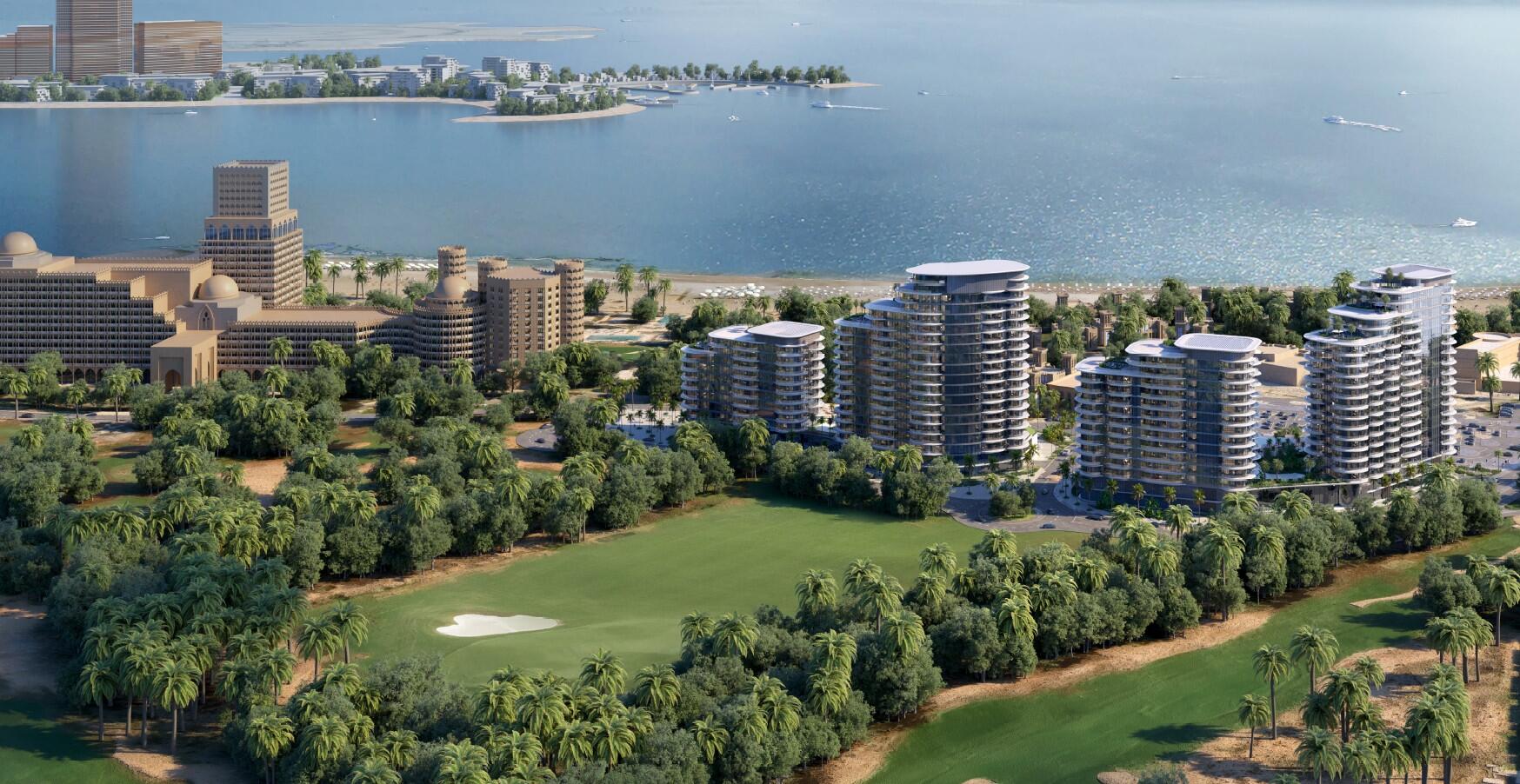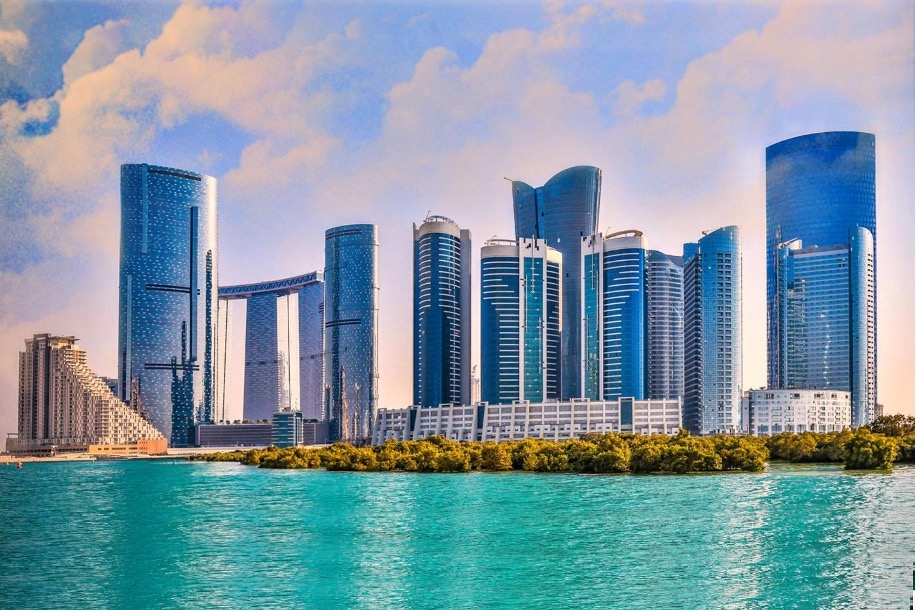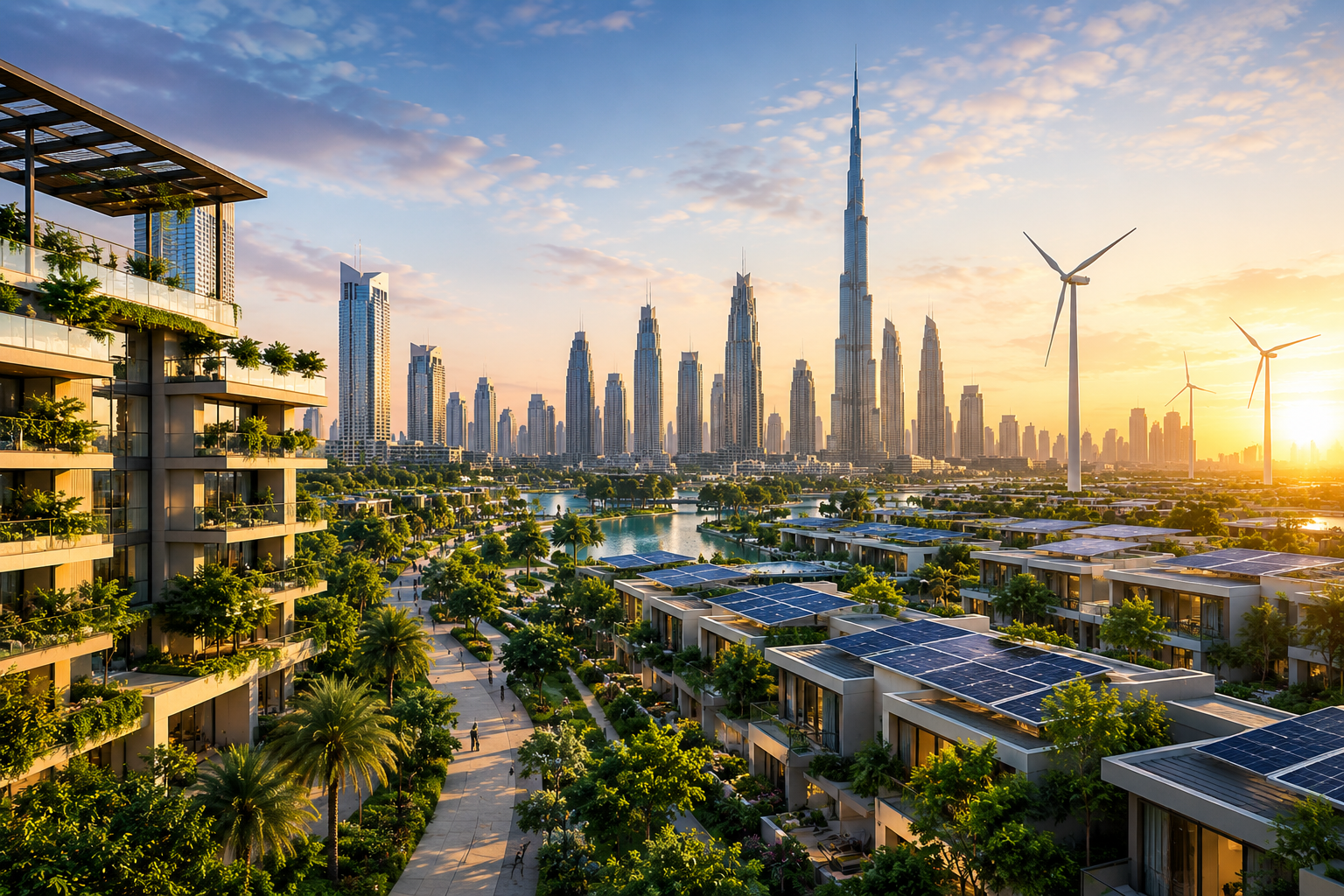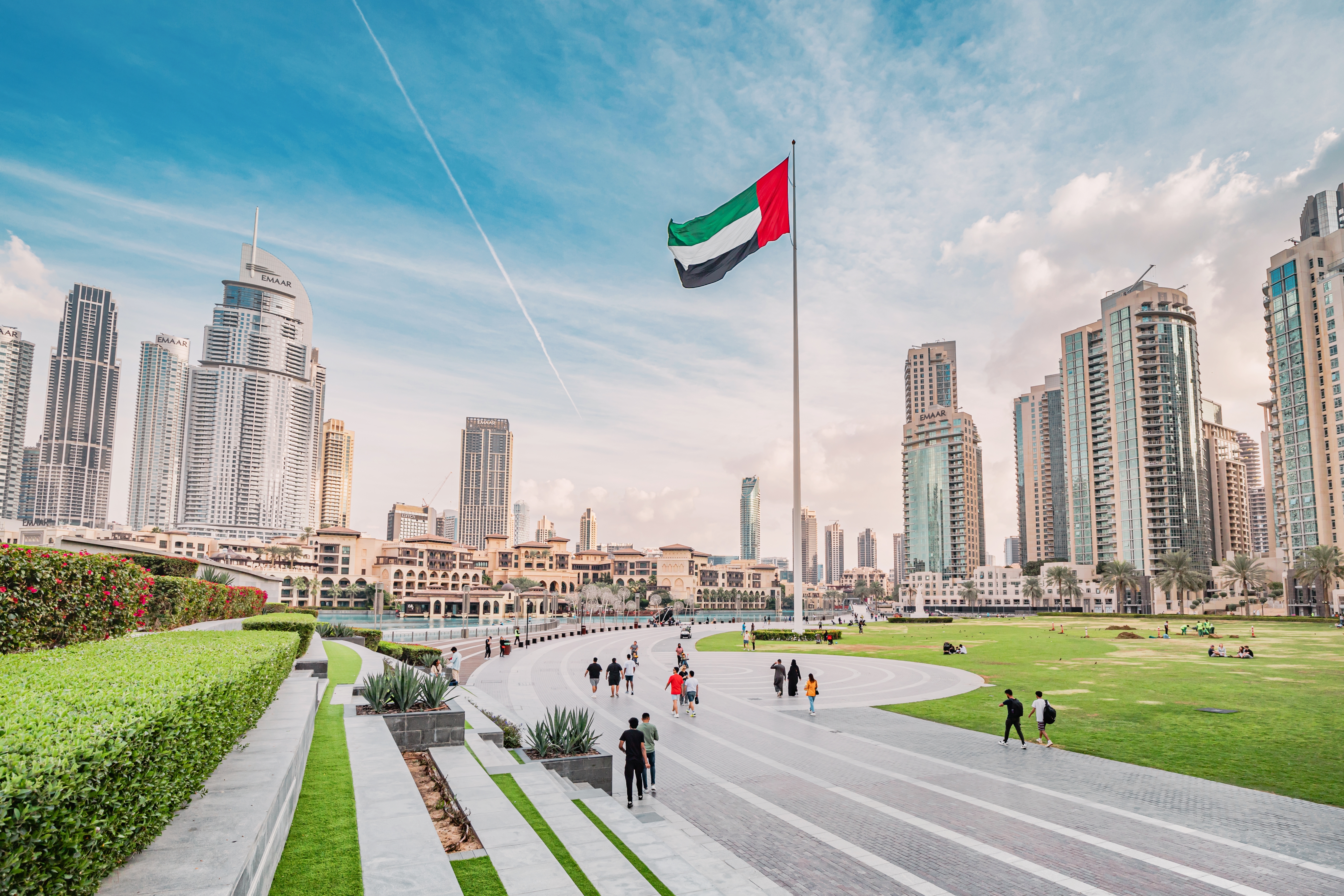
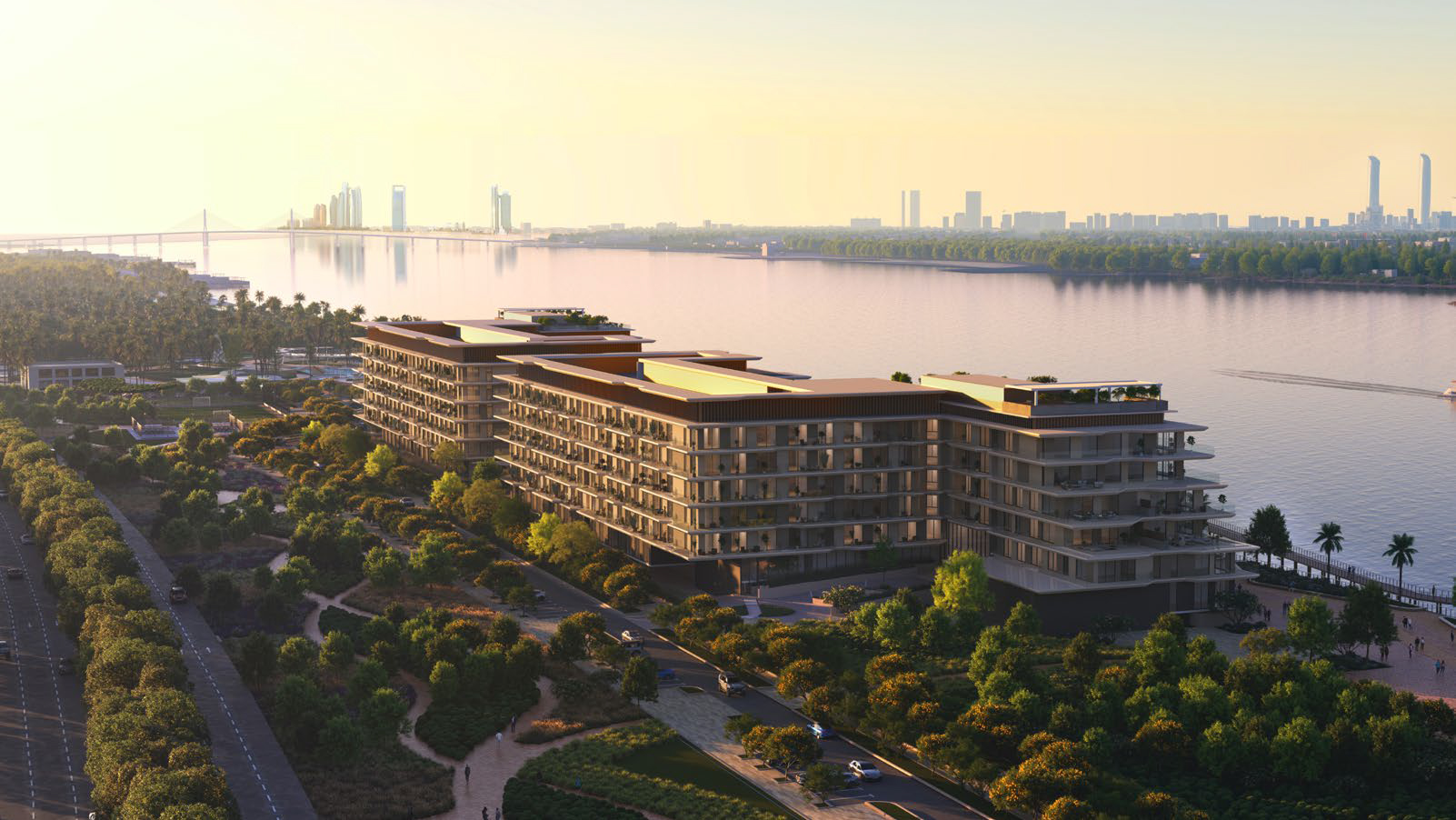
New residential communities, master-planned districts, and mixed-use developments continue to shape the UAE property market. These projects do more than add new homes. They can affect housing supply, buyer demand, rental prices, infrastructure, amenities, and the value of properties in nearby areas.
For buyers and investors, understanding these changes can help when comparing locations and assessing a property's potential over time.
How New Communities Affect Property Prices in the UAE
A new community can change the balance between supply and demand in an area. Its impact depends on factors such as the number of properties being developed, property types, infrastructure, amenities, accessibility, and the pace of construction.
The effect can also change as a project moves from launch to construction, handover, and maturity.
New Communities Increase Property Supply
One of the most direct effects of a new development is the addition of residential units.
Large communities can bring thousands of apartments, villas, and townhouses to the market. This gives buyers and tenants more choices and creates competition between new and existing properties.
However, more supply does not automatically mean lower prices. If buyer and tenant demand grows alongside new housing supply, prices may remain stable or increase.
This is particularly important in areas where new developments attract buyers who previously considered established communities.
Infrastructure Can Increase Demand
New communities often include roads, schools, retail centres, parks, public spaces, and other facilities.
Better infrastructure can improve access to business districts, airports, beaches, schools, and other key destinations. As an area becomes easier to reach and more convenient to live in, demand for properties within the community and nearby areas may change.
The timing of these improvements also matters. Planned infrastructure may influence buyer interest before completion, while completed roads and facilities give residents a clearer picture of the area's long-term appeal.
How New Developments Affect Surrounding Areas
The influence of a new community can extend beyond its boundaries. Nearby districts may also experience changes as new residents, businesses, amenities, and infrastructure enter the area.
Improved Connectivity
New roads and transport links can make previously less-connected locations easier to reach.
When accessibility improves, buyers may consider a wider range of neighbourhoods. Existing properties close to new connections can also become more convenient for residents who need access to major employment and lifestyle destinations.
More Amenities
Retail centres, schools, healthcare facilities, restaurants, parks, and leisure attractions can increase activity within a district.
Established properties located close to these facilities may attract more attention from buyers and tenants, particularly when the wider area becomes more developed.
New Property Price Benchmarks
New developments can introduce different price points to an area.
A newly launched community may offer modern layouts, newer facilities, waterfront access, or larger open spaces at a price that differs from older properties nearby.
This gives buyers more properties to compare and can change how they assess the value of existing homes.
How Buyer Preferences Are Changing
New communities can also influence what buyers expect from a property.
Modern developments often include features such as:
- Community parks and open spaces
- Swimming pools and fitness facilities
- Retail and dining options
- Schools and nurseries
- Walkable areas
- Smart-home features
- Waterfront access
- Security facilities
- Family-oriented homes
As these features become more common, older properties may face more competition when they lack similar facilities or convenient access.
However, established properties can still attract buyers because of mature landscaping, larger layouts, established amenities, central locations, or shorter travel times to key destinations.
Impact on the UAE Rental Market
New communities can also affect rental markets.
When a development attracts new residents, demand for rental homes in the community and nearby areas may increase. This can be particularly relevant when new employment opportunities, schools, retail destinations, and transport connections develop alongside residential projects.
At the same time, a large number of new rental units entering the market can increase competition between landlords.
The rental impact therefore depends on the relationship between new housing supply and tenant demand.
Competition Between New and Existing Properties
New homes can attract tenants looking for modern layouts, newer facilities, and community amenities.
Existing properties may compete through larger floor plans, established neighbourhoods, better locations, or lower rental costs.
Landlords in surrounding areas may respond by adjusting rents, renovating properties, or improving amenities as competition changes.
How Different Communities Can Influence Prices
Not every development affects the market in the same way. The type, scale, location, and target market of a community all matter.
Master-Planned Communities
Large master-planned communities can have a wider impact because they often combine residential properties with retail, leisure, education, and infrastructure.
As these elements develop together, they can gradually change the character and activity of an entire district.
Luxury Communities
Luxury developments can introduce higher price points and attract buyers looking for premium apartments, villas, waterfront properties, or branded residences.
Their influence is often more concentrated in the luxury segment and nearby premium locations.
Affordable and Mid-Market Communities
Mid-market developments can attract first-time buyers, families, and investors looking for lower entry prices.
Strong demand for these properties can increase activity in nearby mid-market areas, while additional supply can also create more competition.
Mixed-Use Communities
Mixed-use developments combine residential properties with uses such as retail, dining, offices, hospitality, and leisure.
Because residents can access several services within or close to the development, these communities can increase activity in surrounding areas and change how buyers compare different locations.