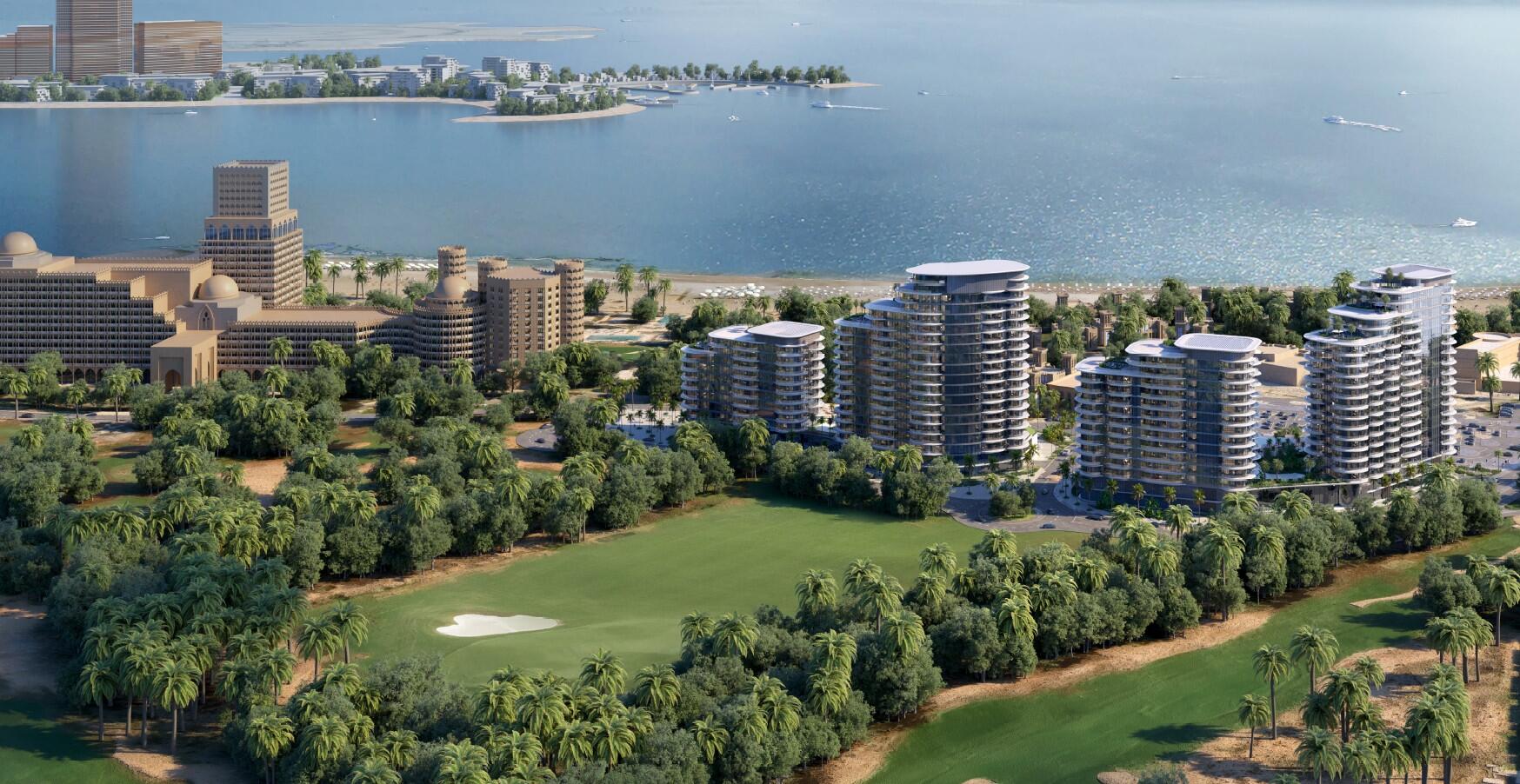
Ras Al Khaimah is becoming an increasingly important tourism and property destination in the UAE. Visitor numbers are rising, major hotels and resorts are being developed, and new residential communities are changing the emirate's coastline.
In 2025, Ras Al Khaimah welcomed 1.35 million overnight visitors, up 6% from the previous year, while tourism revenue increased by 12%. The emirate is targeting more than 3.5 million visitors a year by 2030.
This growth is also affecting real estate.
More tourism can create demand for hotels, holiday homes, rental properties, restaurants, retail, and residential communities. At the same time, major developments and infrastructure projects are changing where people want to live and invest.
So, what does the growth of tourism mean for Ras Al Khaimah property?
Why Tourism Growth Matters to Ras Al Khaimah Real Estate
Tourism and real estate are closely connected.
As visitor numbers increase, demand can grow for places to stay, eat, shop, and spend time. This encourages developers to build hotels, resorts, entertainment destinations and residential projects that serve both visitors and residents.
Tourism can also support the wider economy by creating jobs and attracting businesses. Some visitors may eventually choose to live in the emirate, while others may return regularly for holidays or business.
This creates several types of property demand, including:
- Long-term rental housing
- Holiday homes
- Second residences
- Waterfront apartments and villas
- Branded residences
- Properties within mixed-use communities
For investors, the important point is that tourism can influence real estate in more than one way.
Al Marjan Island Is at the Centre of the Growth
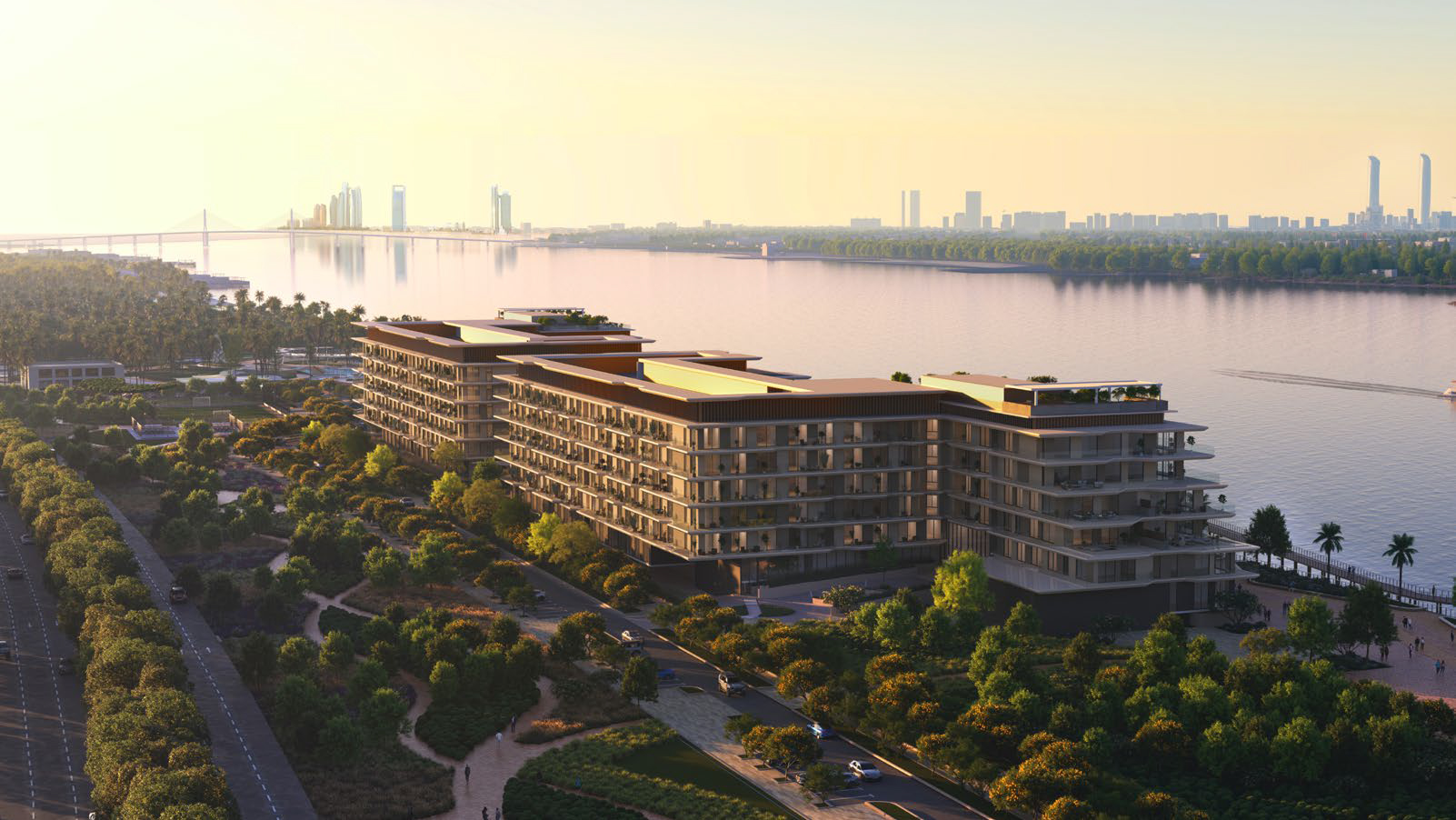
Al Marjan Island is one of the clearest examples of the relationship between tourism and real estate in Ras Al Khaimah.
The waterfront destination has attracted hotels, resorts, residential communities and branded residences. Its coastal location also appeals to buyers looking for homes close to beaches, leisure facilities and hospitality destinations.
The property market has already recorded strong growth in the area. According to CBRE, apartment values on Al Marjan Island increased by 23.1% year on year in H1 2026.
The development pipeline is also significant.
The 85-million-square-foot Marjan Beach masterplan is planned to include around 22,000 residential units and 12,000 hotel keys across eight neighbourhoods.
This means the island is developing into more than a residential location. It is becoming a larger tourism, leisure and lifestyle destination.
Wynn Al Marjan Island Adds to the Tourism Pipeline
Wynn Al Marjan Island is another major project shaping the emirate's tourism outlook.
The integrated resort is expected to open in September 2027 and will add another major hospitality and entertainment destination to Ras Al Khaimah.
Large tourism projects can influence nearby real estate by increasing the area's visibility and supporting demand for accommodation, retail, restaurants and other services.
For property buyers, the impact will depend on factors such as location, accessibility, surrounding supply and the type of property being purchased.
Property Prices Are Rising in Key Areas
Tourism is not the only factor affecting property prices. Supply, infrastructure, development activity and buyer demand also play a role.
Still, Ras Al Khaimah has recorded strong price growth.
According to CBRE, apartment values across the emirate increased by around 18% year on year in H1 2026, reaching AED 2,298 per square foot. Villa values increased by 7.3%.
Some locations recorded even stronger growth:
- Al Marjan Island: 23.1% increase in apartment values
- Al Hamra: 14.7% increase in apartment values
- Ras Al Khaimah overall: 18% increase in apartment values
These figures do not mean every property will perform in the same way. Location, developer, property quality, service charges, completion dates and competing supply can all affect performance.
For investors, the wider trend is more important than one headline figure. Tourism-led development is increasing attention on the emirate, but each project still needs to be assessed on its own fundamentals.
Rental Demand Is Growing Too
Property price growth is only one part of the market. Rental demand is equally important for investors looking at income-producing properties.
Tourism can support demand for short-term accommodation, while population growth, new businesses and employment opportunities can contribute to long-term rental demand.
CBRE reported that apartment rents in Ras Al Khaimah increased by 14.3% year on year in H1 2026. Areas including Mina Al Arab and Al Marjan Island also recorded strong rental growth.
This gives property owners several potential rental strategies.
A property in a tourism-focused area could appeal to holidaymakers, long-term tenants or residents who want to live close to beaches and leisure facilities.
However, the right approach depends on the property and the regulations governing its use. Investors should consider management costs, service charges, vacancy periods and the level of rental competition before buying.
Branded Residences Are Expanding
Tourism growth is also changing the type of residential properties available in Ras Al Khaimah.
Branded residences combine residential units with services and facilities associated with a hospitality or lifestyle brand. They are becoming increasingly common in waterfront and tourism-focused developments.
CBRE estimates that around 10,000 branded residential units could be delivered in Ras Al Khaimah by 2030.
For international buyers, branded residences can offer a familiar property concept in a growing tourism destination. They also give investors another option beyond conventional apartments and villas.
However, the brand should not be the main reason for buying.
Investors should still compare:
- Purchase price
- Location
- Service charges
- Rental potential
- Developer
- Property management
- Future supply
- Expected completion date