
The UAE property market attracts two main types of residential buyers: people looking for a home and investors seeking rental income or long-term property value growth.
Although both drive demand, their priorities differ. End users focus on affordability, location, comfort, and access to everyday facilities. Investors pay closer attention to rental yields, property prices, tenant demand, and potential resale value.
Understanding these differences can help buyers choose the right property and identify opportunities in the UAE's residential market in 2026.
What Is Driving UAE Residential Property Demand in 2026?
Several factors continue to support demand for residential properties across the UAE:
- Population growth: New residents, professionals, and families create demand for rental homes and properties for sale.
- Foreign investment: International buyers continue to participate in residential and wider real estate markets.
- Infrastructure development: New roads, transport links, schools and community facilities make residential areas more attractive.
- New developments: Off-plan projects give buyers more choices in terms of location, property type and payment plans.
- Rental demand: Residents who are not ready to purchase a home continue to support the rental market.
However, demand varies by emirate, community, and property type. Buyers should assess each location based on its own market conditions.
End Users vs. Investors: What Is the Difference?
End users and investors may purchase the same property, but they usually have different objectives. End Users vs. Investors: Key Differences
End Users
- Main objective: Find a suitable home for personal use.
- Location: Prefer areas near workplaces, schools, and everyday facilities.
- Property preference: Choose based on lifestyle, space, and comfort.
- Main concern: Affordability, mortgage payments, and living expenses.
- Holding period: Usually based on personal and family needs.
Investors
- Main objective: Generate rental income or benefit from potential property value growth.
- Location: Prefer areas with strong rental demand and investment potential.
- Property preference: Choose based on purchase price, rental appeal, and expected returns.
- Main concern: Rental yield, maintenance costs, and other expenses.
- Holding period: Based on investment goals and market conditions.
What Do End Users Look For?
End users purchase properties for their own occupation. They may be first-time buyers, families, professionals, or residents moving from renting to owning.
Their main considerations include:
- Affordable purchase prices and mortgage payments.
- Convenient access to workplaces, schools, and healthcare.
- Suitable bedroom sizes and living spaces.
- Community facilities, parking and accessibility.
- Property condition and long-term suitability.
For these buyers, the right property is one that fits their budget and everyday needs.
What Do Property Investors Look For?
Investors purchase properties to generate rental income, benefit from potential capital appreciation, or achieve both.
Their main considerations include:
- Expected rental income and rental yield.
- Property prices and future resale potential.
- Tenant demand and occupancy.
- Service charges and maintenance expenses.
- Upcoming developments and competing property supply.
A property with a high advertised rental return does not automatically make a good investment. Buyers should compare actual rental transactions and calculate expenses before making a decision.
What Do the 2026 Property Market Figures Show?
Recent market reports show strong real estate activity across Dubai and Abu Dhabi, although the figures cover different market segments.
Dubai Property Market
According to the Dubai Land Department, Dubai recorded AED 252 billion in total real estate transactions in Q1 2026, representing a 31% increase in value year-on-year.
Real estate investments reached AED 173 billion across 57,744 investments, while the investor base grew to 48,448.
These figures demonstrate significant investment activity, although the AED 252 billion figure covers the wider real estate market rather than residential sales alone.
In Q3 2026, the market began showing signs of normalisation, with softer price and rental growth alongside increasing supply.
Abu Dhabi Property Market
Abu Dhabi also recorded strong residential activity during H1 2026.
According to the Abu Dhabi Real Estate Centre (ADREC):
- Residential property sales reached AED 70.4 billion, compared with AED 25.3 billion in H1 2025.
- Off-plan properties accounted for 89% of residential sales value and 82% of transactions.
- The emirate recorded approximately 233,000 active residential lease contracts.
- New apartment lease prices increased by 17%, while villa lease prices increased by 9%.
- Foreign direct investment reached AED 13.8 billion, with investors from 116 nationalities participating in the market.
These figures highlight activity across both the sales and rental markets. However, strong off-plan sales should not automatically be interpreted as end-user or investor purchases, as transaction data does not fully establish each buyer's intended use.
Which Locations Attract End Users and Investors?
Location can influence both lifestyle suitability and investment performance. Some UAE communities appeal to both types of buyers.
Dubai
- Dubai Marina: Offers waterfront apartment living, restaurants, and access to leisure facilities. It attracts residents and investors interested in established apartment communities.
- Dubai Hills Estate: Appeals to families looking for villas, townhouses, green spaces, and community facilities.
- Jumeirah Village Circle (JVC): Offers different apartment and townhouse options, attracting residents and investors looking at various price ranges.
Abu Dhabi
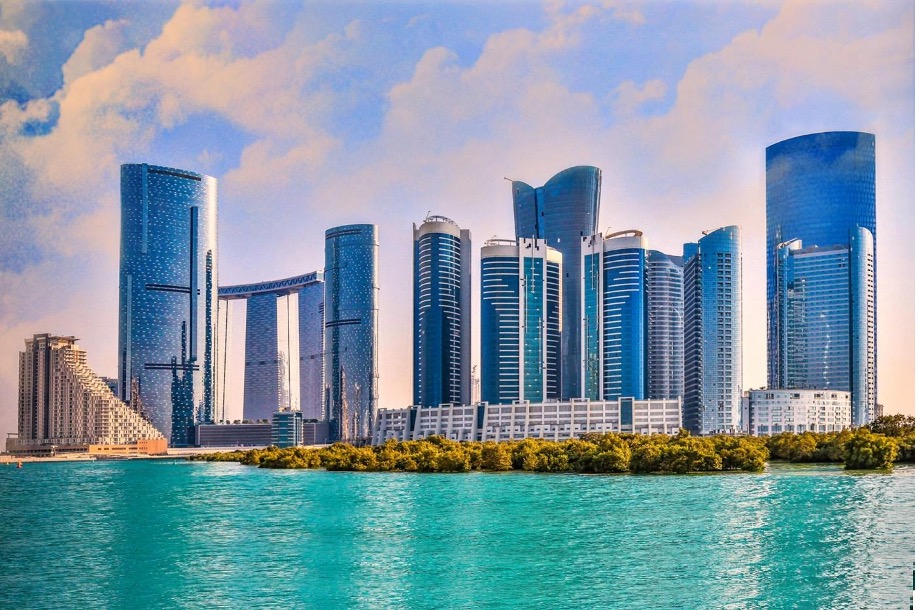
- Al Reem Island: Offers established apartment communities, waterfront living and convenient access to central Abu Dhabi.
- Yas Island: Provides apartments, townhouses and villas alongside entertainment, retail and leisure destinations.
- Saadiyat Island: Attracts buyers interested in beachfront living, cultural attractions and premium residential developments.
The best location depends on the buyer's budget, intended use, and property requirements. Investors should also compare purchase prices with actual rental performance and upcoming supply.