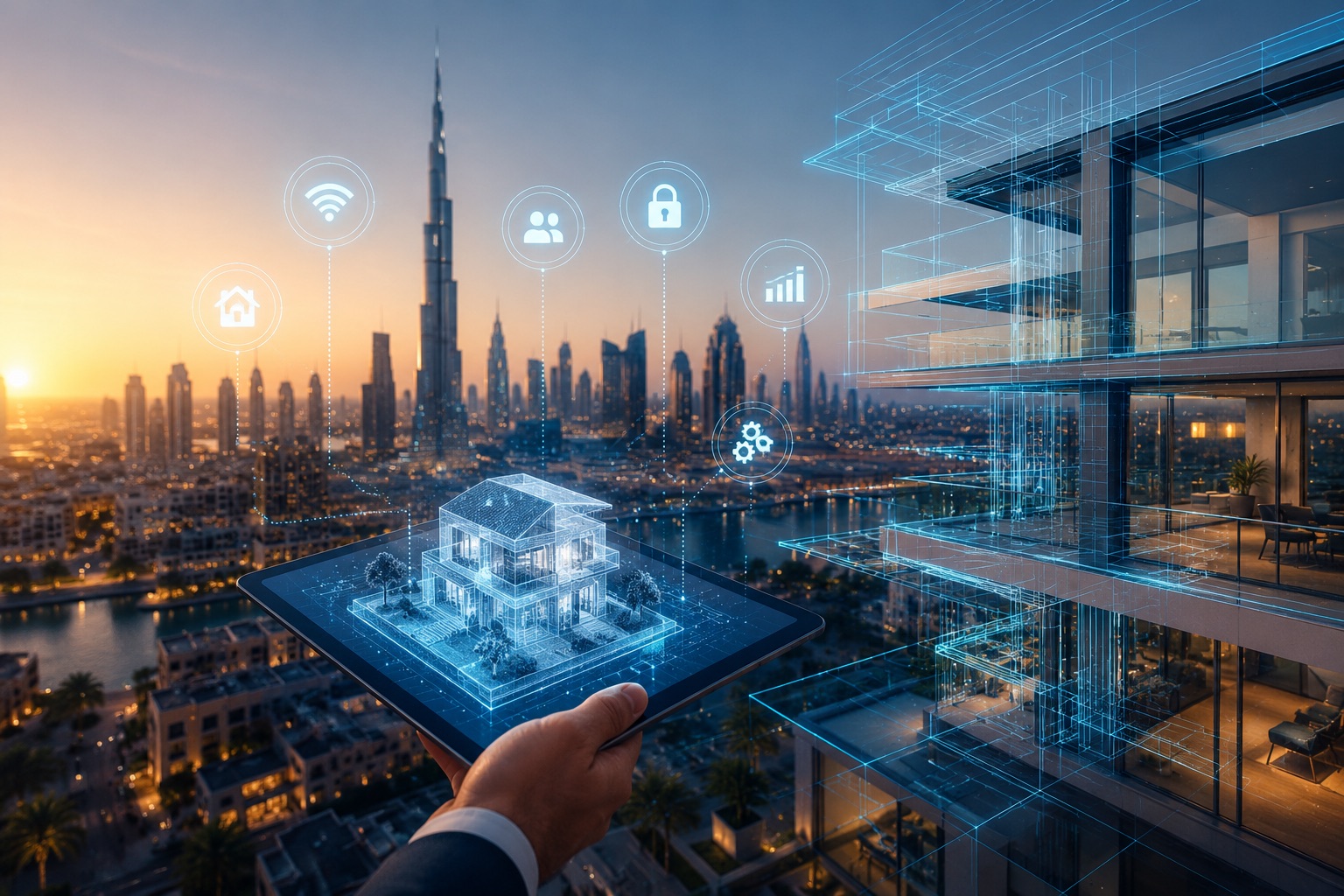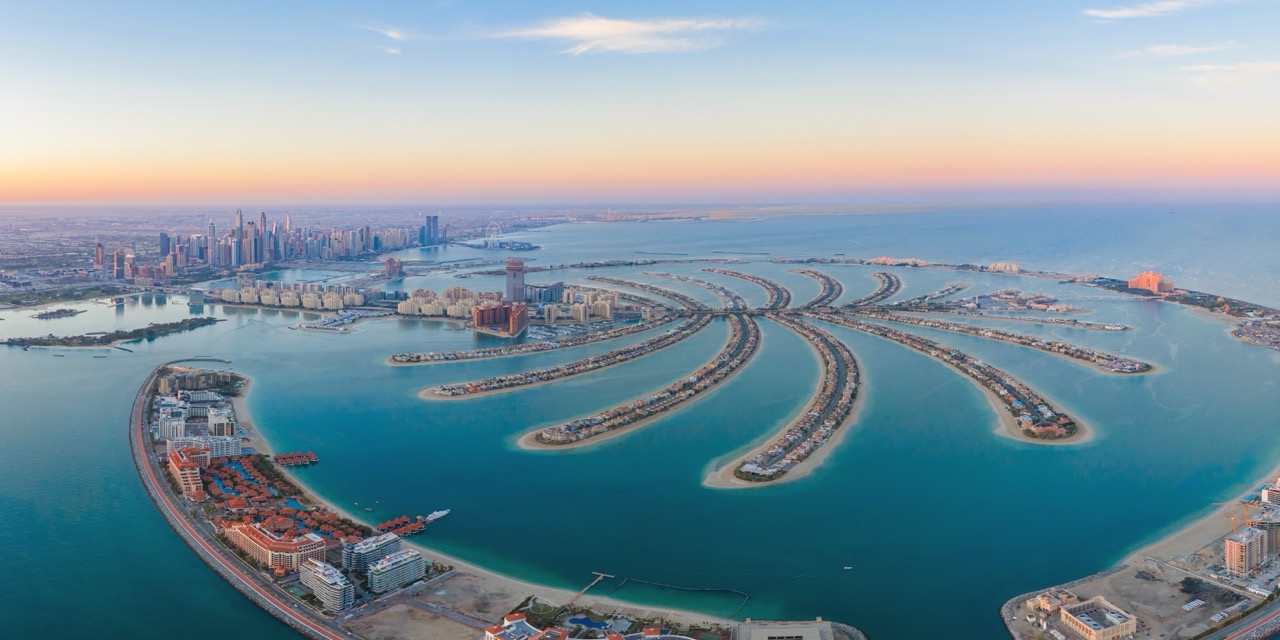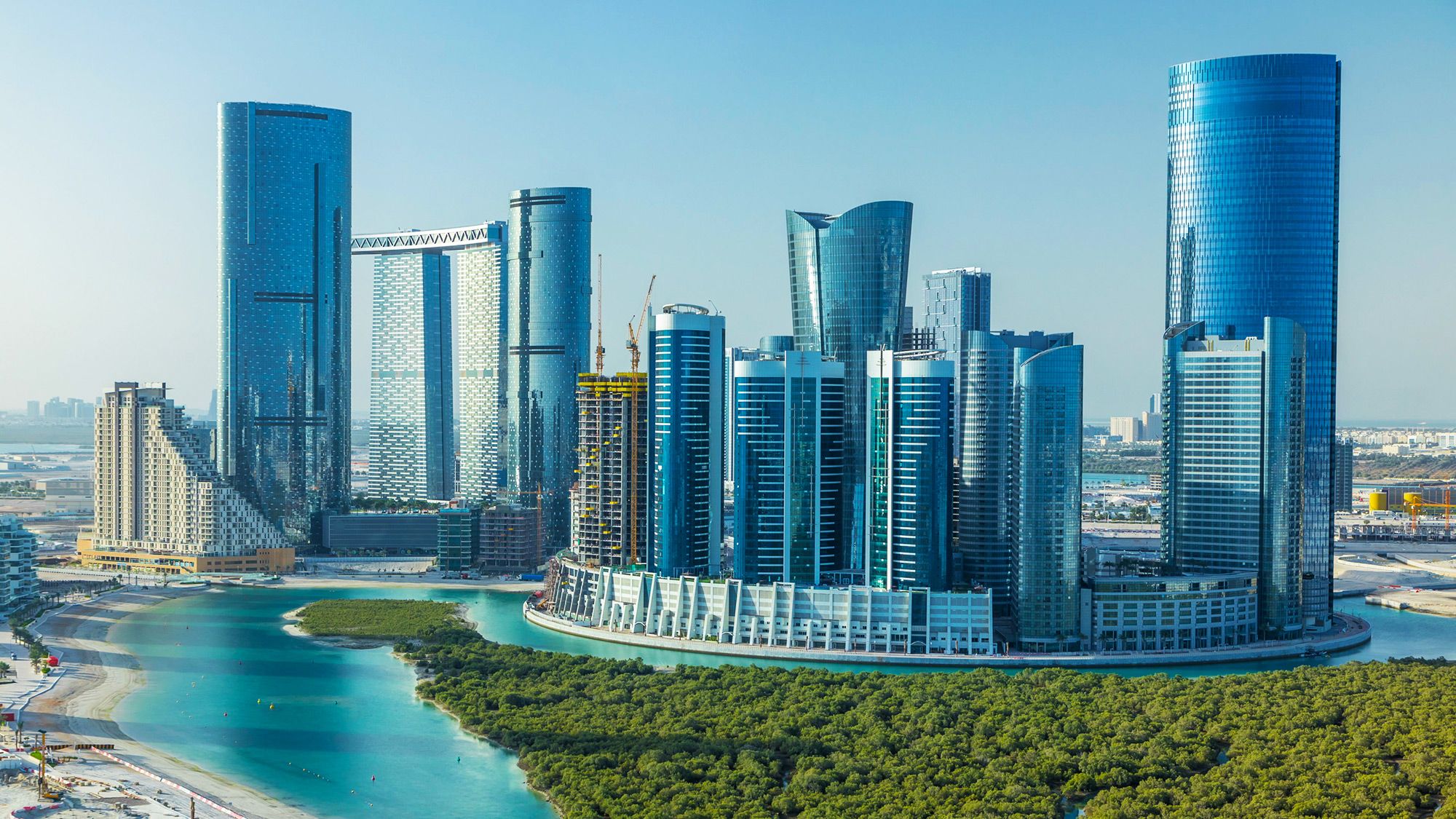

The UAE real estate market is entering a new phase in which technology is becoming more closely connected to how people invest in, buy, and experience property.
From real estate tokenization and artificial intelligence to digital investor platforms and smart building technologies, new tools are transforming parts of the property journey that were traditionally handled through paperwork, in-person meetings, and manual processes.
A recent report by Arabian Business highlighted four technologies gaining attention across the UAE property sector: real estate tokenization, agentic AI, digital dashboards for off-plan buyers, and air quality technology in residential buildings.
1. Real Estate Tokenisation Opens New Investment Models
One of the biggest changes attracting attention is the growth of real estate tokenization.
Tokenization can involve digitally representing an ownership interest or another economic interest connected to a real-world asset, depending on the legal and investment structure. This could create new ways for investors to access parts of the real estate market without following the traditional model of purchasing an entire property.
The concept may be particularly relevant in a market such as the UAE, where property investment continues to attract both local and international buyers.
However, tokenized real estate is still an emerging area, and investors should understand the ownership structure, regulatory framework, platform terms, and risks before making an investment decision.
2. Agentic AI Moves Further Into Real Estate
Artificial intelligence is already being used across the property industry for customer service, data analysis, property recommendations, and marketing.
The next development is the growing interest in agentic AI, which refers to AI systems designed to perform more complex tasks with a greater degree of autonomy.
In real estate, these technologies could support activities such as responding to enquiries, analyzing market information, organizing property searches, and helping buyers navigate large amounts of project and property data.
Technology may make information easier to access, but property decisions still require careful human judgement. Location, developer track record, pricing, financing, legal requirements, and individual investment goals remain important factors that cannot be reduced to an automated recommendation.
3. Digital Dashboards Give Off-Plan Buyers More Visibility
The UAE's off-plan market has become a major part of the country's property sector, with buyers often making investment decisions based on project plans, construction schedules, and developer commitments.
Digital dashboards are increasingly being used to give buyers and investors easier access to information related to their purchases.
Depending on the platform and developer, these tools may bring together information such as payment schedules, project updates, and other property-related documents in one digital environment.
This reflects a wider shift toward more accessible property information and digital communication between developers, investors, and buyers.
4. Technology Is Also Changing How Homes Are Experienced
Technology is not only affecting the investment and buying process. It is also becoming part of the residential living experience.
The Arabian Business report identified air quality technology as another area gaining attention in UAE real estate. As developers and residents place greater focus on indoor environments, building systems that monitor or support indoor air quality are becoming part of the broader conversation about modern homes and communities.
This trend sits alongside the broader growth of smart-home features and connected building technologies, particularly in newer residential developments.